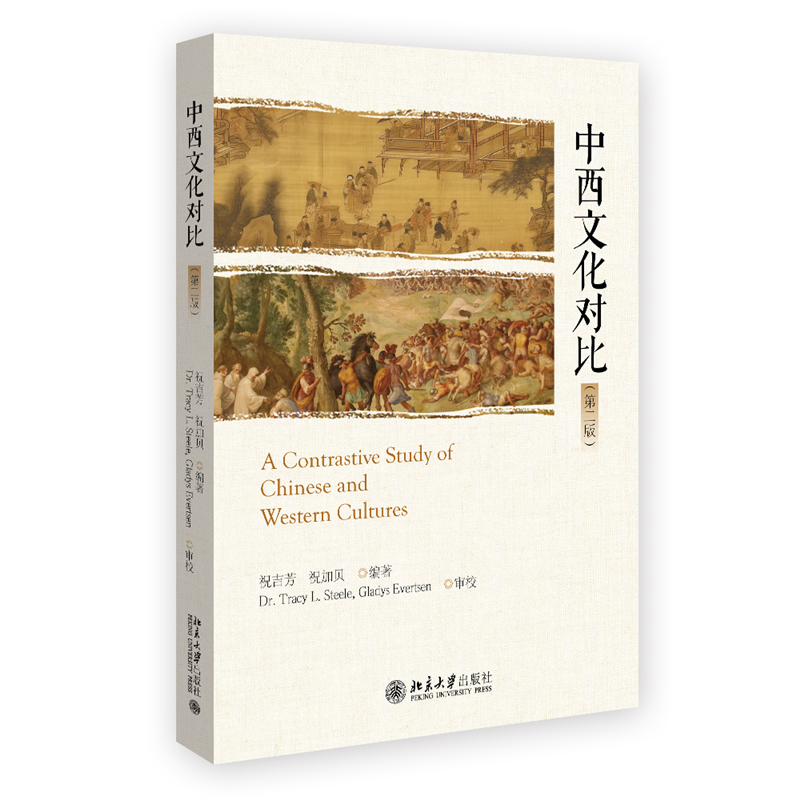
ContentsPart I.East and West Unit 1 .Why Contrasting Chinese and Western Cultures?.................3I. Ancient Civilizations and Cultures ................................................................3II. Cross-cultural Comparative Studies in China ..............................................5III. Imperatives to Contrast Chinese and Western Cultures ..............................9IV. A Note on Some Key Concepts .................................................................15 Unit 2 .Characteristics of Traditional Chinese and Western Cultures..............19I. ^There Are All Kinds of Birds in a Large Forest ̄ .......................................19II. Traditional Chinese Cultural Characteristics ............................................22III. Traditional Western Cultural Characteristics ............................................32 Unit 3 .Affinities Across Cultures........................................................37I. Two Unexpected Affinities ..........................................................................38II. Reading for More Cultural Affinities .........................................................39III. A Note on Some Key Concepts ................................................................51Part II Cultural Differences in Silent Language Unit 4 .Time .........................................................................................59I. Time in China and the West .........................................................................60II. Two Time Modes ........................................................................................65III. Past-oriented Societies vs. Future-oriented Societies ...............................73IV. Two Time Orientations ..............................................................................76 Unit 5 .Space ........................................................................................80I. What Is Space? ............................................................................................81II. Spatial Language ........................................................................................82III. Spatial Language and Culture ...................................................................86IV. Spatial Language and Life ........................................................................93 Unit 6 .Smiles, Nods and Silence ........................................................97I. Smiles in Intercultural Communication ......................................................97II. Nods in Intercultural Communication ......................................................103III. Silence in Intercultural Communication .................................................105Part III Cultural Differences in Thinking Unit 7 .Intuitive vs. Logical Thinking..............................................115I. Definitions of Intuitive and Logical Thinking ............................................116II. Philosophy and Thinking ..........................................................................117III. Application of the Two Thinking Modes ................................................121IV. Impact of Thinking Modes on Writings ..................................................126V. Logic in China and Intuition in the West ..................................................128 Unit 8 .Dialectical vs. Analytical Thinking......................................132I. Proverb Preferences Across Cultures ........................................................133II. Dialectical Thinking .................................................................................134III. Analytical Thinking ................................................................................139IV. More about the Two Modes ....................................................................143 Unit 9 .Holistic vs. Atomistic Visions ...............................................146I. A Detention Room Incident .......................................................................147II. Prominent Attributes of Holistic and Atomistic Visions ..........................147III. Vision and Cognition ..............................................................................156IV. Vision and Language ...............................................................................157V. Zhengshan Xiaozhong and Lipton Black Tea ..........................................164 Unit 10 .Categorizing Objects by Relationships vs. by Attributes.....167I. Two Ways to Categorize Objects ...............................................................168II. Principles to Categorize Objects ..............................................................169III. How to Categorize Objects and Why .....................................................172IV. Impacts of Different Ways of Categorization ..........................................175V. Causal Attribution Patterns Caused by Different Categorization Ways ......178 Unit 11 .Non-controllers vs. Controllers .........................................182I. Too Early to Tell ........................................................................................183II. Why So Different Stances Towards Life? ................................................184III. ^Being ̄ and ^Doing ̄ Cultures ...............................................................190IV. Manifestations of ^Being ̄ Culture and ^Doing ̄ Culture .......................194Part IV Different Cultural Orientations Unit 12 .The Introvert-oriented vs. the Extrovert-oriented...........205I. Personality Types .......................................................................................206II. Personality Types of Cultures ..................................................................208III. Effects of Personality Types on Pattern Preferences ...............................213IV. A Contrast of Some Cultural Phenomena ...............................................219 Unit 13 .Collectivism vs. Individualism...........................................225I. An Embarrassing Custom ..........................................................................225II. Collectivism and Individualism as Cultural Orientations ........................227III. Collectivism and Individualism in Cultural Anthropology ....................233IV. Collectivist and Individualist Perspectives of ^Self ̄ ..............................236V. Interdependence vs. Independence ...........................................................241 Unit 14 .Advocacy of Jing vs. Dong......................................................245I. Introduction to Two Concepts ...................................................................246II. Chinese Advocacy of Jing ........................................................................248III. Western Advocacy of Dong ....................................................................258IV. Differences and Discomforts ...................................................................263 Unit 15 .Implicitness vs. Explicitness ..............................................267I. ^Half a Story ̄ ............................................................................................268II. Implicitness vs. Explicitness of Language ...............................................270III. Implicit Traditional Chinese ...................................................................276IV. Explicit Westerners .................................................................................284V. High-context vs. Low-context ..................................................................287VI. ^Chicken and Duck Talk ̄ .......................................................................291Part V Different Cultural Standards Unit 16 .Peace vs. Conflict ................................................................299I. Great Names and Different Cultural Standards .........................................300II. External Factors and Cultural Standards ..................................................305III. Cultural Standards and Their Unique Products ......................................308IV. Better Ways to Know Each Other ...........................................................313 Unit 17 .Egalitarian vs. Inegalitarian Distribution .......................316I. Hate-the-rich Mentality .............................................................................316II. Traditional Chinese-style Egalitarianism .................................................318III. Western-style Inegalitarianism ................................................................321IV. Egalitarianism and Inegalitarianism in China and the West ...................323 Unit 18 .Good vs. Evil Human Nature ............................................326I. Definition of Two Concepts .......................................................................326II. Human Nature and Education ..................................................................328III. Theorization of Assumptions about Human Nature ...............................331IV. Human Nature Theories and the Rule of Ethics vs. Law ........................337 Unit 19 .Rule of Individuals vs. Rule of Law ..................................339I. Rule of Individuals in Traditional Chinese Thought .................................339II. Rule of Law in Traditional Western Thought ...........................................345III. Rule of Law in China Today ...................................................................350

 中国大学出版社协会 |
首页 |
宏观指导 |
出版社天地 |
图书代办站 |
教材图书信息 |
教材图书评论 |
在线订购 |
教材征订
中国大学出版社协会 |
首页 |
宏观指导 |
出版社天地 |
图书代办站 |
教材图书信息 |
教材图书评论 |
在线订购 |
教材征订